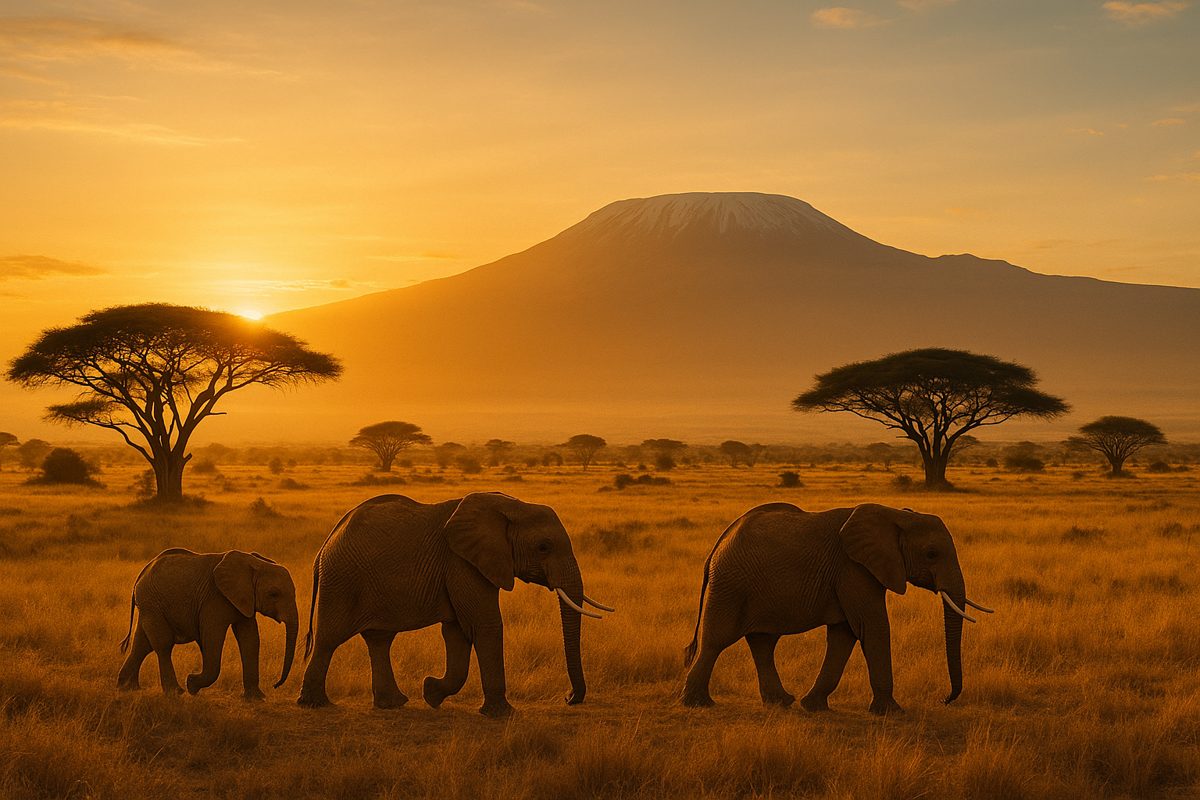
A safari sits on almost everyone's list, and Kenya is the classic first choice: the Masai Mara, the Great Migration, and a tourism infrastructure that makes a first safari genuinely doable. Here's the honest planning guide.
When to go
- July–October (dry season): peak wildlife viewing and the window when the Great Migration herds are typically in the Masai Mara — with river crossings usually concentrated in the heart of that period. Timing varies year to year with the rains; nobody can promise a crossing on your dates, and anyone who does is selling something.
- January–February: a second dry window — excellent game viewing, fewer crowds, often gentler prices.
- Rainy seasons (roughly the long rains of spring and short rains of late fall): lush scenery and the best lodge rates, traded against some rain-interrupted game drives.
What a safari actually costs
Safari pricing confuses first-timers because it's sold per-person, per-night, and usually bundles far more than a hotel room: accommodation, all meals, game drives with a professional guide, and often park fees. Broadly, there are three tiers — camping/budget group safaris, mid-range tented camps and lodges, and luxury camps — and the jump between tiers is large. On top sit park and conservancy fees, charged per person per day, which are a meaningful part of any quote. When comparing offers, always ask exactly what's included; the cheapest headline price with fees and transfers excluded is often not the cheapest trip.
Getting there and around
- Flights from the US: one-stop routings to Nairobi are the norm and price best when booked a few months out — dry-season dates sell up like any peak.
- Nairobi to the Mara: either a light-aircraft hop to an airstrip near your camp (fast, scenic, pricier) or a road transfer (cheaper, longer, and part of the adventure).
- Entry requirements: Kenya uses an electronic travel authorization system for visitors — apply online before you fly, and check the current process when you book as details change.
- Health: talk to a travel clinic about malaria prophylaxis and recommended vaccinations; carry your yellow fever card if you have one, as proof can be requested depending on your travel history.
First-timer choices that pay off
- Fewer parks, more nights. Three nights in the Mara beats one night each in three parks — game viewing rewards patience, and repacking daily doesn't.
- Conservancies are worth a look. Private conservancies bordering the Mara limit vehicle numbers and allow experiences the main reserve doesn't — often a better experience per dollar at the mid range.
- Add a beach ending. Kenya's coast (Diani, Watamu) pairs perfectly with a safari — bush then beach is the classic combination for good reason.
Want this trip planned for you?
Send us your destination, rough dates, and budget — within 24 hours you get flight options, hotel picks, and one bundled quote. Free, no commitment.
Plan my tripOr join our weekly deals list — mistake fares and route drops, one short email a week.